High-quality visuals are the heartbeat of every successful eCommerce business. They’re the first thing potential buyers notice and often the last thing they remember before making a purchase. In this fast-moving digital space, AI product photography has become a game-changer — allowing brands to produce professional visuals faster, more efficiently, and with greater precision.
Artificial intelligence photography uses data-driven automation to handle editing, composition, and visual optimization that once required a full studio setup. For growing online retailers, this technology not only saves time but also directly supports higher engagement, better customer experience, and stronger sales.
Why AI Matters in Product Photography
Product images act as digital salespeople. The better they communicate value and trust, the stronger your conversions. Traditional photoshoots demand heavy investment in lighting, editing, and retouching. AI-driven photo systems minimize this workload by offering automated editing, consistent branding, and quicker delivery cycles.
Beyond time savings, AI improves product perception. It identifies visual flaws, standardizes tones, and aligns aesthetics across entire catalogs. For small businesses and large eCommerce brands alike, adopting AI isn’t just about efficiency — it’s about scaling creativity and maintaining consistency in a competitive marketplace.
AI Tip #1 – Automated Backgrounds & Smart Scene Generation
Background removal and scene generation used to consume hours of editing. AI completes this task in seconds while preserving product edges, colors, and proportions. Instead of manually masking or layering, AI tools detect the subject and separate it from the background flawlessly.
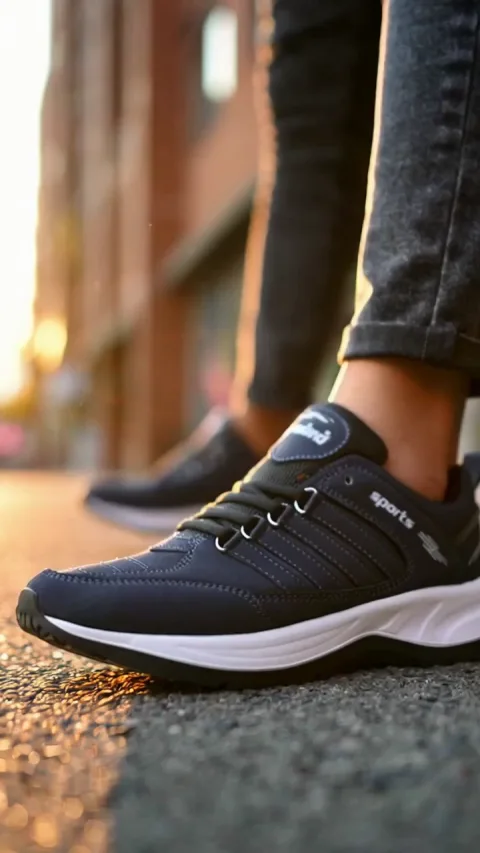
Beyond plain white backgrounds, smart AI systems can automatically generate contextual scenes based on the product type — for instance, displaying a wristwatch on a minimal desk or showcasing sneakers on an urban street.
This flexibility gives eCommerce brands more creative control without relying on studio setups. It’s especially useful for seasonal promotions, where a single product can be presented in multiple lifestyle environments with just a few clicks.
AI Tip #2 – Consistent Brand Lighting & Color Harmony
Lighting is the foundation of visual quality. Inconsistent brightness or white balance can make a catalog look mismatched and unprofessional. AI detects and adjusts lighting discrepancies to create balanced tones across an entire image set.
For example, if a fashion retailer uploads 200 images taken in varied lighting conditions, AI instantly standardizes them to maintain a cohesive brand aesthetic. This uniformity helps build trust, especially when shoppers compare similar products on one page.
It also minimizes customer dissatisfaction by presenting accurate product colors — reducing return rates caused by visual mismatches between photos and real-life products.
AI Tip #3 – Auto-Retouching & Detailing for Perfection
Manual retouching is one of the most time-consuming stages in product photography. AI automates this process by detecting imperfections such as dust, creases, reflections, or uneven surfaces. The technology refines these areas while preserving texture and sharpness.
This means hundreds of product photos can be polished automatically with consistent quality. AI also detects small design features like fabric texture or stitching details and subtly enhances visibility for clarity.
The result is a refined, professional appearance that draws the customer’s focus directly to the product. Brands using this method report faster publishing cycles and reduced dependency on expensive post-production work.
AI Tip #4 – Realistic Virtual Models & Fit Visualization
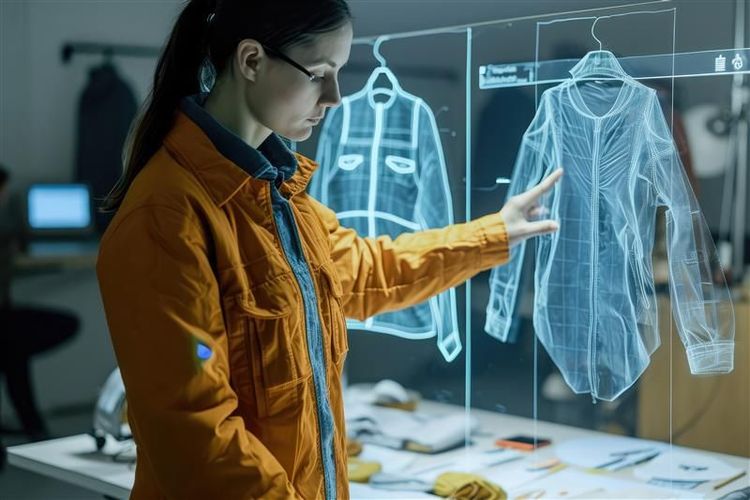
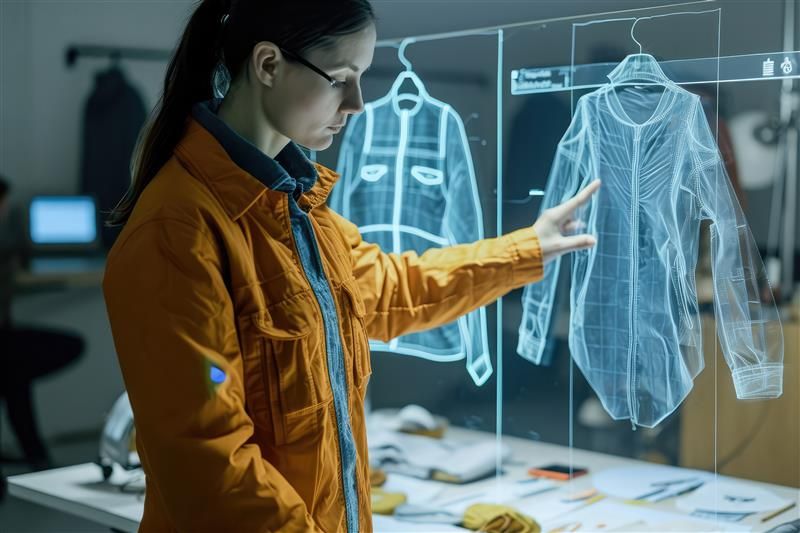
The ai try on clothes trend has changed how fashion eCommerce showcases apparel. Instead of organizing photoshoots with multiple models, brands can now use AI-generated models that realistically represent various body types, ethnicities, and poses.
These digital avatars can display how a garment fits and drapes in real life. They create inclusivity and authenticity — two factors that deeply influence purchase decisions. Shoppers can visualize the product on different body shapes before buying, increasing confidence and reducing returns.
Additionally, virtual models make catalog updates faster and more cost-effective. Brands can refresh looks and collections instantly without redoing an entire shoot.
AI Tip #5 – Smart Framing & Composition Suggestions
Framing defines how a product appears to the customer’s eye. AI analyzes product positioning, negative space, and focal balance to crop and align visuals in an appealing way.
For example, it can automatically center a shoe, balance the background around a bag, or crop an image to highlight product details like buttons or logos. AI also adapts image framing for specific platforms — such as square ratios for Instagram or portrait formats for product pages.
By doing this at scale, brands maintain consistent composition across thousands of images, boosting visual quality and brand recognition without manual resizing or guesswork.
AI Tip #6 – Dynamic Shadows & Realistic Reflections
Depth and realism separate good visuals from great ones. Flat images often look artificial and uninspiring. AI-generated shadows and reflections simulate real lighting conditions, giving products a natural appearance.
For example, a jewelry photo can display soft, realistic reflections on glass, while a sneaker shot can have subtle floor shadows. These effects make products feel more tactile and premium, increasing perceived value.
Retailers can even customize shadow intensity or direction based on brand aesthetics — all without setting up lighting rigs or multiple retakes.
AI Tip #7 – Generating Product Videos & Rotations from Stills
Video continues to outperform static imagery in engagement and conversion rates. However, producing videos for every SKU can be time-intensive. AI solves this by converting still product images into 360° spins or short promotional clips.
Using a single high-resolution image, AI creates motion effects that mimic a video shoot. For instance, rotating a handbag, zooming in on a phone’s detailing, or animating a shoe turn — all generated digitally.
These visuals increase dwell time and allow customers to interact more meaningfully with the product. Brands using such video automation see higher add-to-cart rates and better user engagement metrics.
AI Tip #8 – Personalized Visuals for Different Audiences
A product image that works for one audience may not resonate with another. AI identifies buyer behavior and regional preferences to create adaptive visuals.
For instance, a brand selling outerwear could show snowy backgrounds for Canadian audiences while using cityscapes for European markets — automatically generated through AI prompts.
This personalization drives emotional connection and relevance. It also allows marketing teams to run region-specific campaigns without managing multiple design versions manually.
AI Tip #9 – Image Quality Enhancement for Mobile Commerce

Over 70% of online shoppers use mobile devices for browsing and purchases. Images that look perfect on desktop often lose clarity on smaller screens. AI automatically optimizes image resolution, size, and clarity to fit mobile layouts without compromising quality.
It detects device type and adjusts pixel density to maintain sharpness while reducing load time. This improves page performance and ensures shoppers view high-quality visuals even on low-bandwidth networks.
Such optimization is critical for modern eCommerce stores, where speed and visual quality directly affect conversion rates.
AI Tip #10 – AI Analytics: Testing What Visuals Convert Best
Beyond editing, AI also evaluates performance. It tracks user engagement metrics — such as hover time, clicks, and purchase behavior — to determine which visuals lead to better conversions.
By comparing hundreds of product images, AI identifies subtle differences that impact buying decisions, like lighting tone, product angle, or color background.
This data-backed approach helps creative teams refine future shoots using proven insights rather than guesswork. Brands adopting artificial intelligence photography analytics gain a measurable edge in understanding visual performance and optimizing for sales impact.
Conclusion
AI has reshaped the foundation of product photography — from capture to conversion. What once demanded a full studio setup can now be handled digitally with accuracy and creative control.
Whether it’s background automation, video generation, or data-led optimization, AI allows online sellers to produce premium visuals at a fraction of the cost and time.
Businesses partnering with an experienced AI development company are setting new standards in visual commerce. With the right technical expertise, brands can combine creativity and automation to deliver stunning, conversion-focused visuals that connect with today’s digital audience.
For brands ready to move beyond traditional methods, adopting ai photo studio workflows or collaborating with a Shopify development company can unlock a lasting visual edge across all digital platforms.
FAQs
-
How does AI improve product photography? AI automates editing, lighting correction, background creation, and analysis — helping businesses produce consistent, professional images quickly and affordably.
-
Do AI-generated product photos look realistic? Yes. Modern AI systems reproduce real lighting, depth, and detail, creating visuals that look studio-shot while maintaining authenticity.
-
Can AI photography increase online sales? High-quality, consistent visuals lead to better engagement, fewer returns, and higher trust — all factors that drive stronger conversions.
-
Is AI product photography suitable for all industries? It’s widely used in fashion, jewelry, beauty, tech accessories, and home decor. Any brand relying on product visuals can benefit.
-
What’s next for AI in eCommerce visuals? AI will continue to improve image realism, personalization, and predictive analytics — turning photography from a creative task into a data-informed growth strategy.